
Hosting, domains & sharing
Straight answers to what people search for before they publish something. No filler, no vague “it depends.”
Sharing & hosting · 26 September 2026 · 3 min read
Share links for private sites, and a ZIP download for every version
Password-protected Pro sites can now give each visitor their own revocable link past the password, and any version we still keep can be downloaded as a ZIP. What each one does and where the limits are.
AI & publishing · 17 September 2026 · 3 min read
Publish a site from Cursor's agent, no terminal command needed
Cursor's agent already writes your files to disk. Connect MakeMySiteLive's MCP server once, and it can publish them too, straight from the chat. Here's how the agent-driven path works, and when a script is the better fit.
AI & publishing · 3 September 2026 · 3 min read
How to publish a v0, Bolt, or Lovable project as a live website
You built something in v0, Bolt, or Lovable and now you want a real URL. Here's the one thing that decides whether you can upload it as-is, or need to run a build first.
Use cases · 3 September 2026 · 3 min read
A password-protected client report page for accountants and CAs
A 17-page PDF and three spreadsheets is a lot to hand a client every quarter. A one-page summary, locked behind a password, gets the actual takeaways in front of them instead.
Use cases · 3 September 2026 · 2 min read
A simple client status page that replaces the weekly update call
For a small project, a status page can do what a whole meeting is for: what's done, what's next, and what still needs a decision from the client.
Use cases · 3 September 2026 · 3 min read
Turn your next proposal into a private webpage instead of a PDF
Most proposals still go out as final_v3_revised.pdf. A small private webpage opens better on a phone, updates in place, and ends with a way to actually say yes.
Use cases · 3 September 2026 · 2 min read
Why some people write an apology as a private webpage
A long WhatsApp message can turn into ten half-written ones before the actual point gets lost. A small private page gives an apology the space a text message doesn't.
Use cases · 3 September 2026 · 2 min read
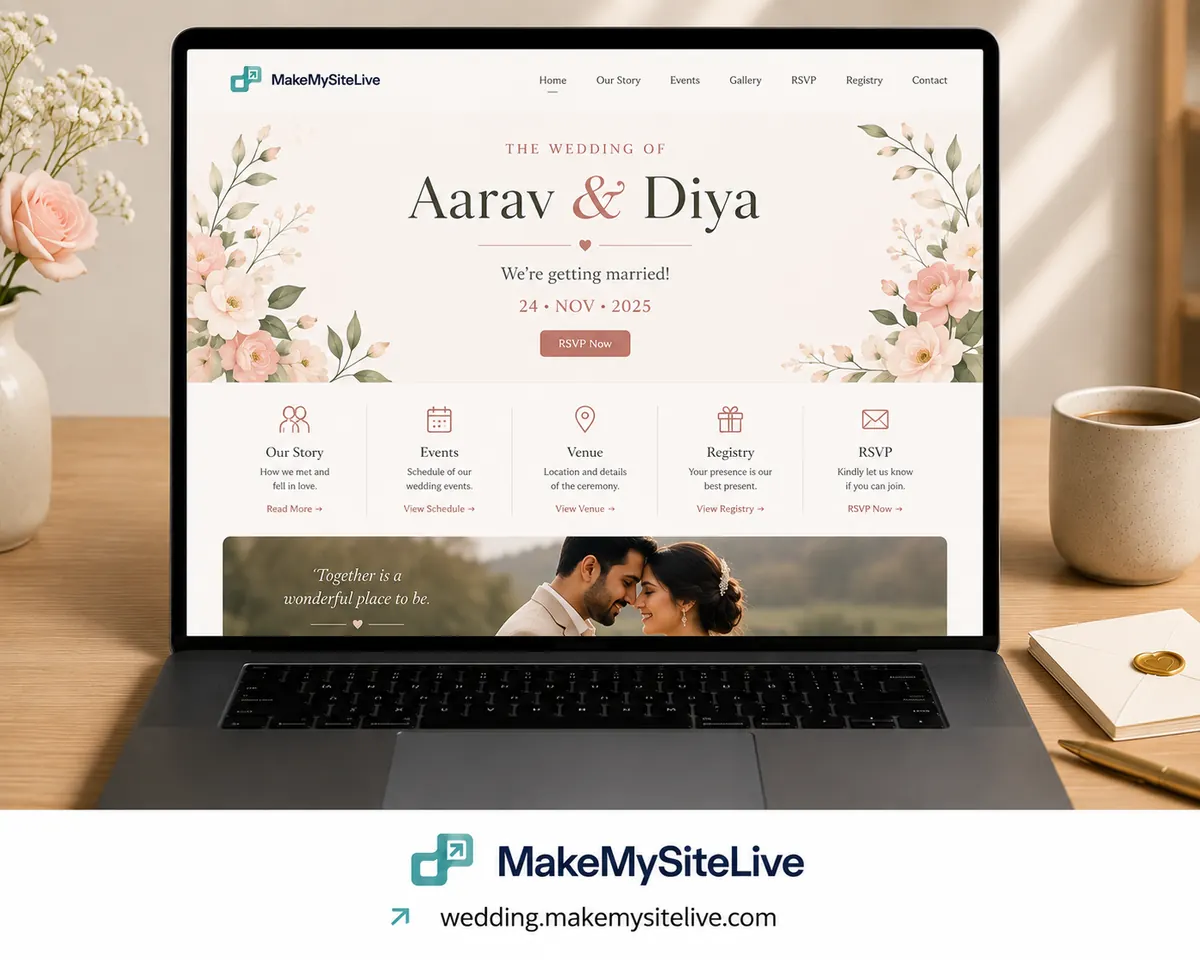
How to build a simple wedding website with RSVP
Date, venue, schedule, registry, and a way for guests to actually reply. A wedding page needs about five things, and none of them require a wedding-website subscription.
Use cases · 3 September 2026 · 2 min read
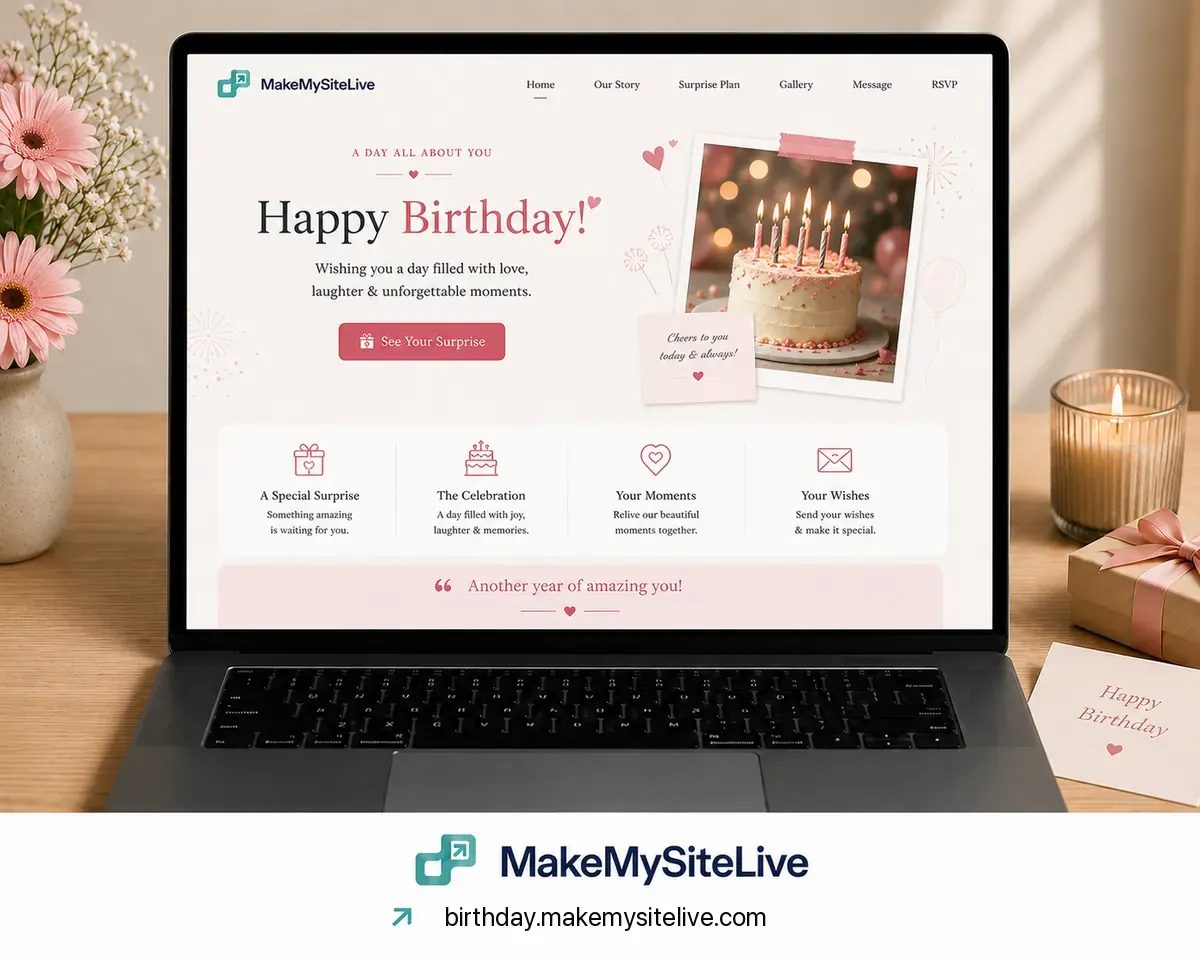
How to make a birthday page for someone in a few minutes
A few photos and a message, put on a page instead of a group chat. Published as a microsite, it won't turn up in a search months later.
Use cases · 3 September 2026 · 2 min read
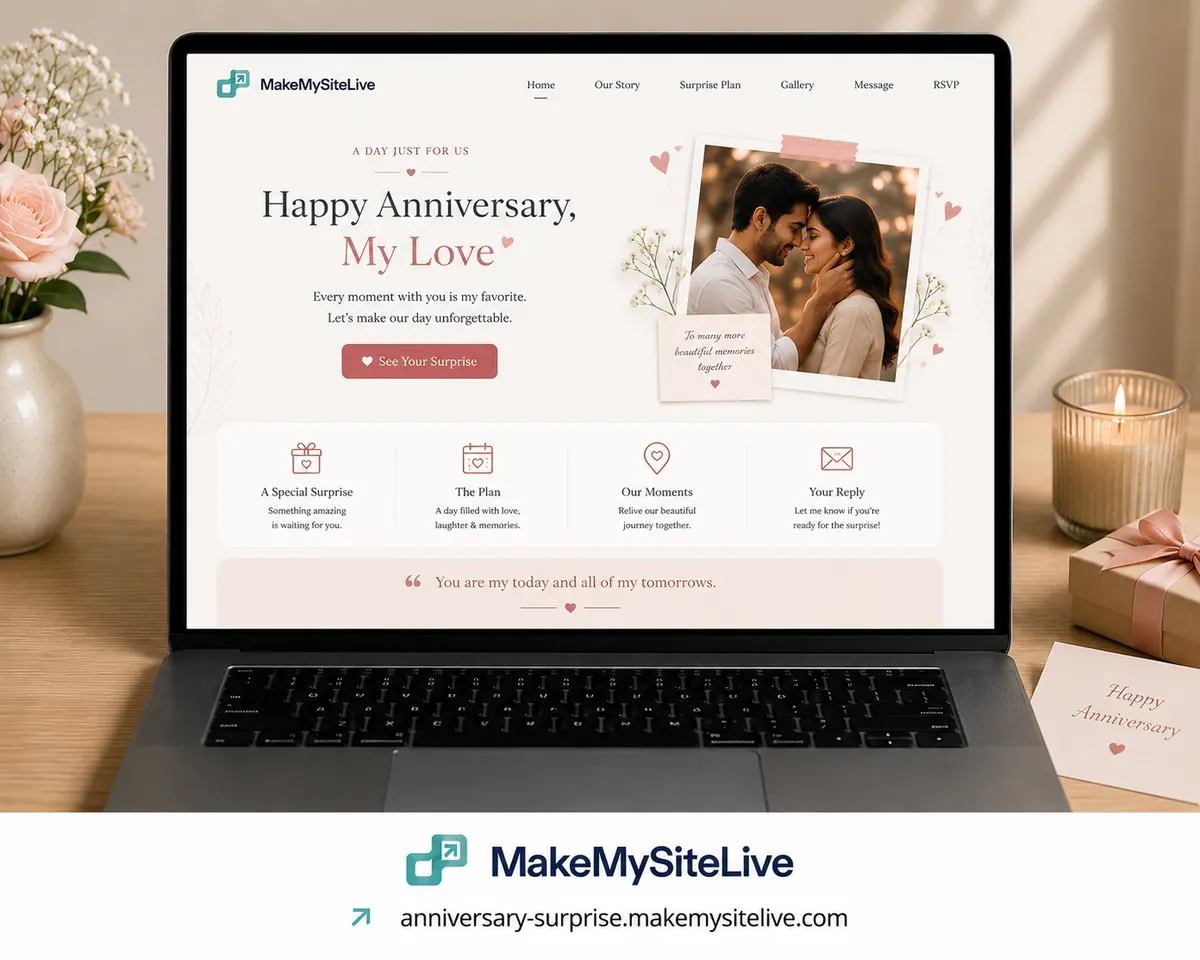
Turn an anniversary into a private webpage instead of a card
A card says one thing once. A page can hold a whole timeline, kept private and password-protected until the actual day.
Use cases · 3 September 2026 · 2 min read
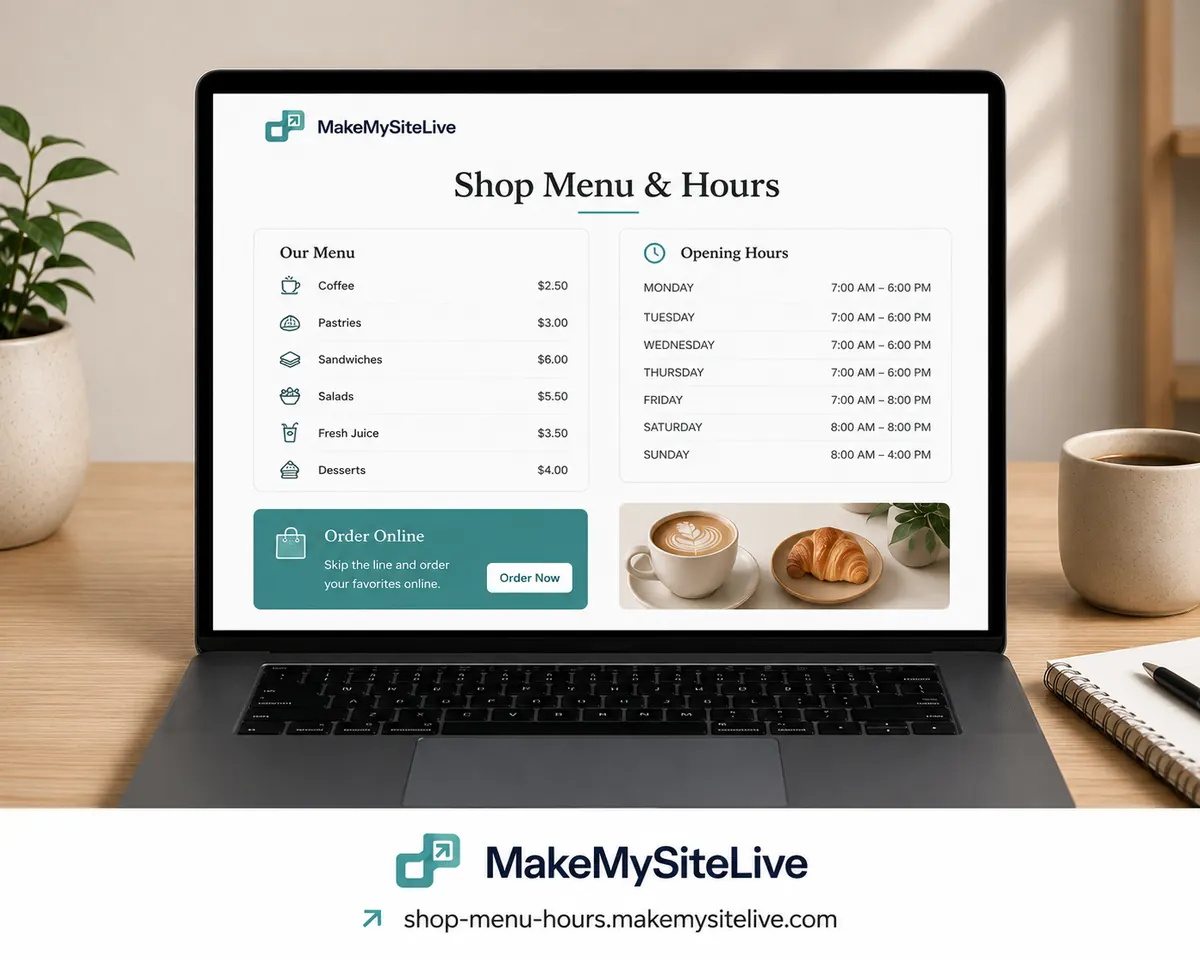
A simple menu and hours page for your restaurant or shop
You don't need a web developer for this. A menu, your hours, your location, and a WhatsApp button for orders, that's the whole page.
Use cases · 3 September 2026 · 2 min read
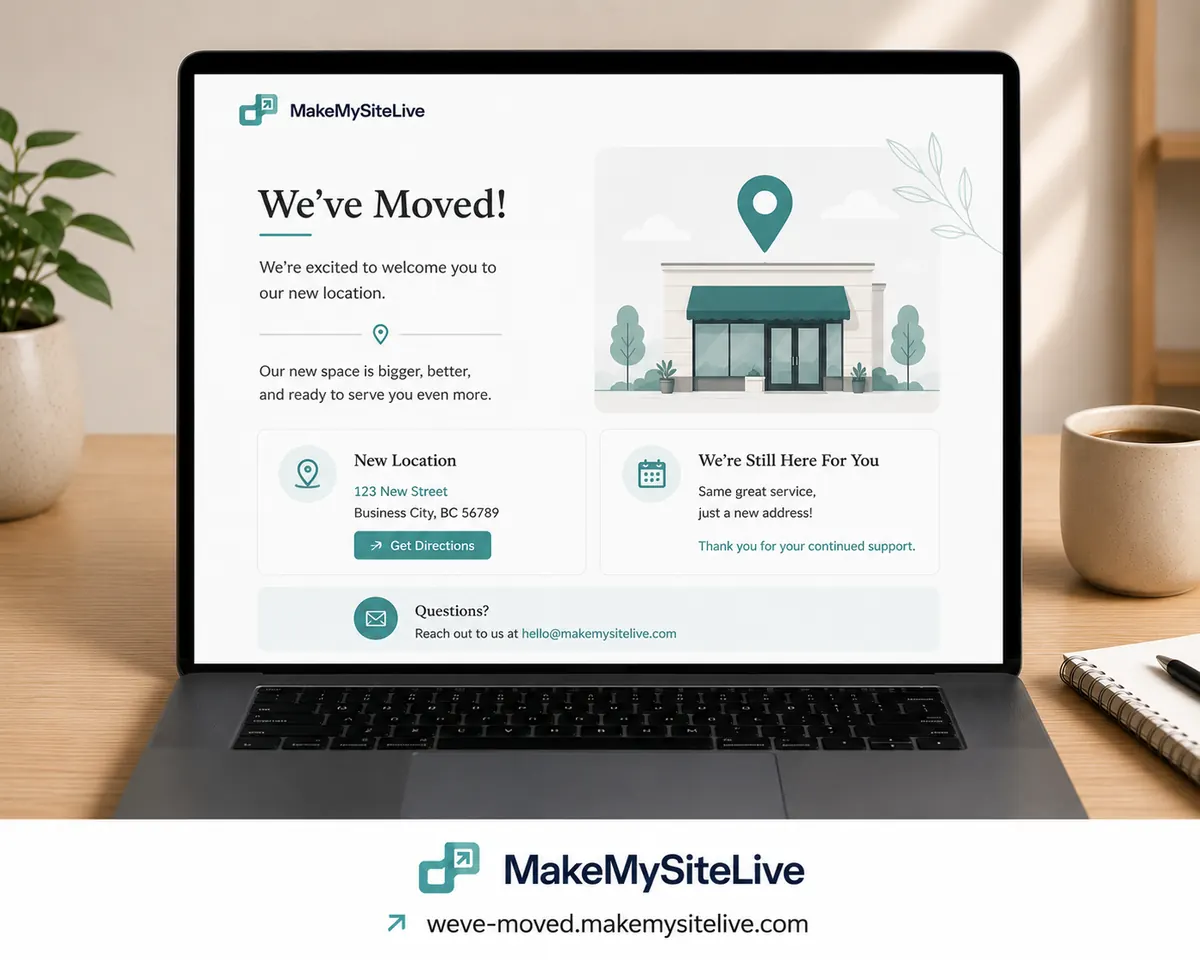
A "we've moved" or temporary closure page you can publish in minutes
A printed sign only reaches people already at your door. A page reaches anyone checking before they leave the house, and it takes minutes to put up.
Domains · 1 September 2026 · 4 min read
What is a custom domain, and how do you get one?
“Custom domain” shows up everywhere from registrar ads to hosting dashboards, and it means something slightly different in each place. Here's the plain-language answer, and the exact two steps that get one working on your site.
AI & publishing · 1 September 2026 · 2 min read
Publish a Claude Artifact on an independent web address
Claude can publish an Artifact itself. Here's how to export one when you want an independently hosted URL and MakeMySiteLive's site controls.
AI & publishing · 1 September 2026 · 2 min read
Turn ChatGPT's code block into a real webpage
ChatGPT wrote you a block of HTML in the chat. Here's the fastest way to turn that into an actual public webpage.
AI & publishing · 1 September 2026 · 2 min read
Publish an AI-built presentation as a website instead of a slide deck
AI tools increasingly generate presentations as HTML instead of a .pptx file. Here's why that's worth keeping as a webpage, and how to give it a link instead of an attachment.
AI & publishing · 1 September 2026 · 2 min read
Publish a study guide or practice quiz as a free static website
An AI-built practice quiz that grades itself in the browser doesn't need a server or a database. Here's how to publish one, and where a static site stops being the right tool.
Sharing & hosting · 1 September 2026 · 2 min read
How to password-protect a website before it's ready to launch
A Pro full site doesn't have to be public the moment it's live. Here's how to lock it behind a password while you're still building, and when to take the lock off.
Sharing & hosting · 1 September 2026 · 2 min read
Every full-site deploy is reversible: how versioning works
A bad full-site upload doesn't have to mean panic. Here's how retained version history and one-click rollback work, including the Free and Pro limits.
Domains · 10 August 2026 · 4 min read
Do you need to pay for a custom domain?
“Custom domain” bundles two separate costs: the domain name itself and connecting it to hosting. Here's what's free, what isn't, and how to tell the difference before you pay for anything.
Domains · 10 August 2026 · 3 min read
Why isn't HTTPS showing up on my custom domain?
You connected your domain and expected the padlock, but instead got a security warning, a timeout, or someone else's old site. Here's how to work through the handful of things that cause this, in order of likelihood.
Sharing & hosting · 10 August 2026 · 3 min read
5 ways to turn an HTML file into a shareable link
You've got one HTML file and just need a link to send, not a hosting setup. Here's how five common options (Drive, GitHub Pages, CodePen, email, and microsites) compare on the one thing that matters: does it work as a real live link.
Pricing & comparisons · 10 August 2026 · 3 min read
How much does static website hosting cost in India?
A static portfolio or landing page shouldn't cost what a dynamic app costs. Here's what drives the price of static hosting in India, what's free, and what to watch out for in shared hosting and usage-based pricing.
Comparisons · 10 August 2026 · 3 min read
Best free static site hosting in 2026, compared
Netlify, Vercel, GitHub Pages, Cloudflare Pages, Tiiny.host, Render, MakeMySiteLive: a fair, feature-by-feature look at what each free tier includes, so you pick based on what you need instead of the first result.
AI & publishing · 10 August 2026 · 3 min read
You built a website with AI. Now what?
Claude, v0, Lovable, Bolt, or ChatGPT gave you a working website. It's still just sitting in a chat window or a local folder. Here's how to turn that into a real, public URL, with or without a custom domain.
Looking for step-by-step instructions instead? See our guides.